Travelling to the UK with a dog: rules and documents
To travel to the UK with a dog from the European Union, you have needed since Brexit a microchip, a valid rabies vaccination, a tapeworm treatment given 24 to 120 hours before arrival and an Animal Health Certificate (AHC) issued by an official veterinarian. Without these documents, entry can be refused or the dog placed in quarantine.
Last updated September 15, 2026
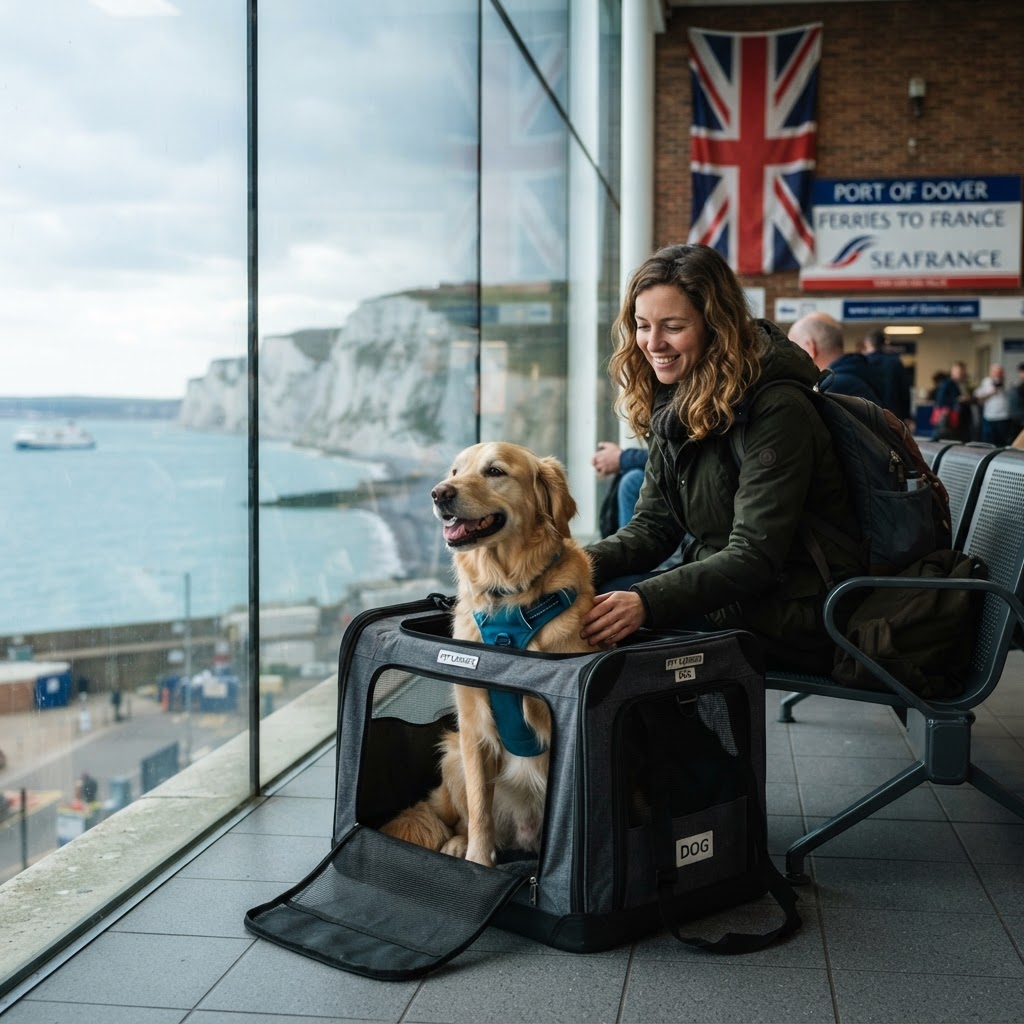
The documents required to enter the UK with a dog
Since Brexit, the rules for travelling to the UK have changed for dogs coming from the European Union. The EU pet passport is no longer accepted: it has been replaced by an Animal Health Certificate (AHC). Before departure, your dog must meet these conditions:
- •Be identified with an ISO-compliant microchip
- •Have a valid rabies vaccination, administered after the microchip is implanted
- •Have received a tapeworm treatment, given by a veterinarian within 24 to 120 hours (1 to 5 days) before arrival
- •Be accompanied by an Animal Health Certificate (AHC) issued by an official veterinarian within the 10 days before the trip
Rules can change: always check the official requirements on the UK government website (gov.uk) and those of your country of departure before booking, as the authorities refuse entry to non-compliant animals.
The tapeworm treatment: meeting the 24 to 120-hour window
The tapeworm treatment is the easiest requirement to get wrong: it must be administered between 24 and 120 hours (1 to 5 days) before your arrival in the UK. Too early or too late, and entry can be refused. The treatment and its timestamp must be recorded by the veterinarian in the travel documents.
The Animal Health Certificate (AHC)
The AHC is issued by an authorised official veterinarian no later than 10 days before departure. It certifies that your dog meets all the health conditions. Its cost varies by veterinarian: ask for a quote when booking the appointment, especially if several dogs are part of the same trip. The AHC covers a limited period and a small number of trips: check the official rules before returning to the European Union.
How to cross: approved routes and authorised carriers
Entering the UK with a dog is only possible via routes and carriers approved by the British authorities. In practice, the vast majority of owners cross by ferry (for example DFDS, Brittany Ferries or Irish Ferries) or via the Eurotunnel Le Shuttle, where the dog stays in the vehicle.
By plane, few airlines fly dogs to the UK and the rules, very strict, vary by carrier: check the airline's pet policy before booking. Airlines may refuse cargo transport depending on weather conditions.
Regulated breeds and bans
The UK bans the entry of certain dog breeds considered dangerous (Dangerous Dogs Act). The official list evolves: check the government page before travelling with a regulated breed, as the animal can be refused at the border.
Returning to the European Union after a stay in the UK
Returning to the EU with your dog follows your country of residence's rules: microchip, valid rabies vaccination and appropriate health documents. The AHC issued before departure may cover travel for a limited period: check its remaining validity with your veterinarian before returning, and consult your country's official rules.
Plan ahead: the recommended timeline
- •2 to 3 months before: check the microchip and rabies vaccination
- •1 month before: book an appointment with the official veterinarian for the AHC
- •10 days before at the latest: AHC issued
- •1 to 5 days before: tapeworm treatment
- •Departure day: allow extra time at the terminal for pet checks
Frequently asked questions
Is the EU pet passport enough to travel to the UK?
No. Since Brexit, dogs coming from the European Union must be accompanied by an Animal Health Certificate (AHC) issued by an official veterinarian, in addition to the microchip, valid rabies vaccination and tapeworm treatment. Check the official rules in force at the time of your trip.
How much does an Animal Health Certificate cost?
The price of the AHC varies by veterinarian and country: there is no single official rate. Ask for a quote when booking the appointment, specifying the number of animals involved.
When should the tapeworm treatment be given?
Between 24 and 120 hours (1 to 5 days) before arrival in the UK. This window is strict: a treatment given too early or too late can lead to refused entry.
Can my dog fly in the cabin on a plane to the UK?
It is very limited: most dog arrivals in the UK happen by ferry or Eurotunnel via approved routes. Airlines that accept dogs to the UK apply strict, specific rules: check directly with the airline before booking.
Is my dog at risk of quarantine on arrival?
A dog with compliant documents (microchip, vaccination, tapeworm, AHC) arriving on an approved route normally faces no quarantine. In case of non-compliance, the British authorities can refuse entry or place the animal in quarantine, at the owner's expense.
From what age can a puppy travel to the UK?
The puppy must be microchipped, receive the rabies vaccination (at the earliest at 12 weeks) and then observe the vaccine's waiting period: allow at least about 15 weeks. Confirm the requirements with your veterinarian before booking.
How far in advance should I organise the paperwork?
Allow 2 to 3 months to check the microchip and vaccination, a veterinary appointment for the AHC in the month before departure (issued no later than 10 days before), and the tapeworm treatment 1 to 5 days before arrival. This timeline leaves you a margin for the unexpected.
Prepare your trip to the UK
Get a personalised preparation review with the list of documents required for your dog and a timeline before departure.
Plan my trip